Hedzranawo Slave Museum · Support
Support the Hedzranawo Slave Museum
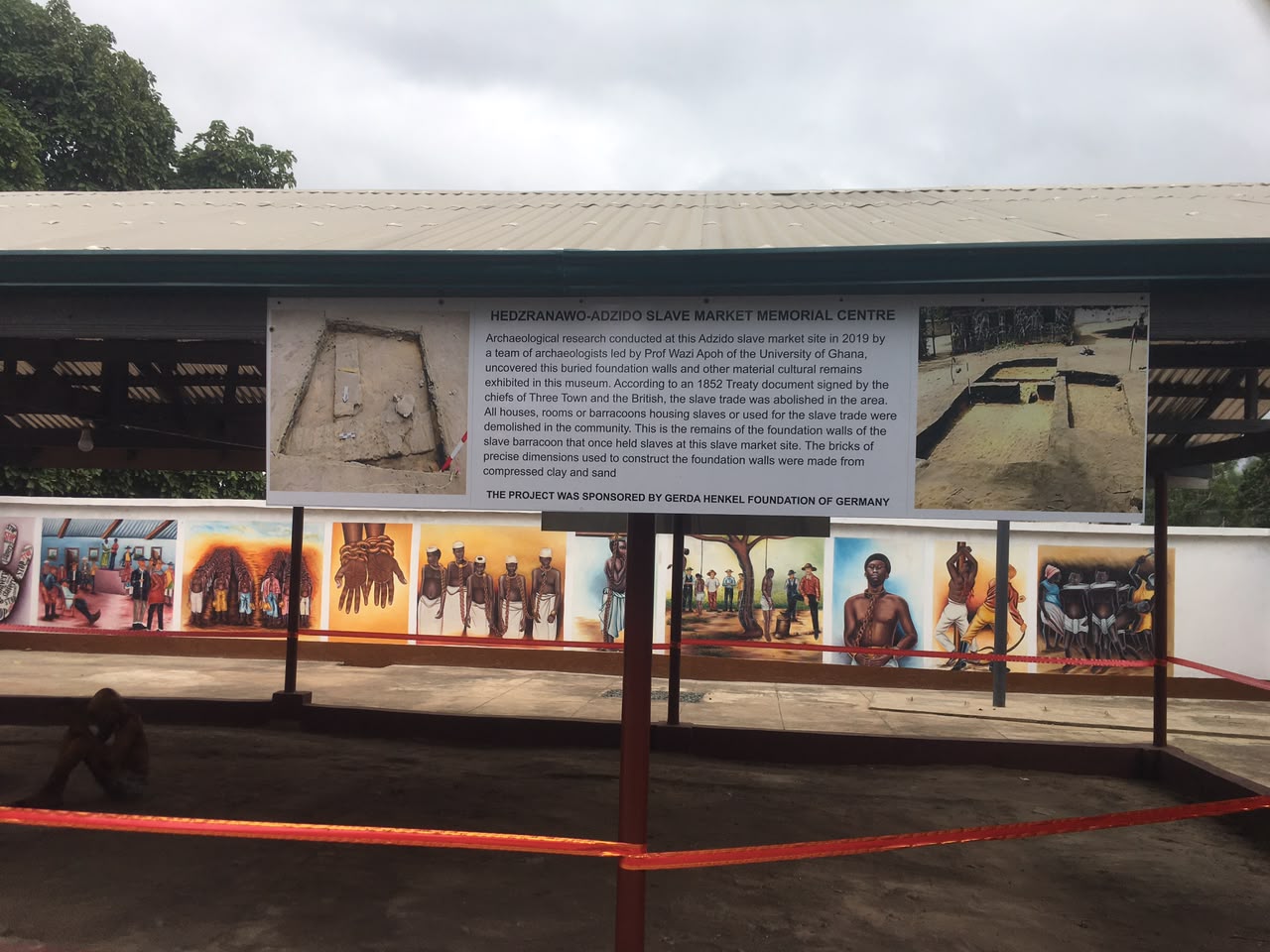
This museum exists because a professor, a German foundation and a village chief decided it should. It was not built by the state, and it is not kept running by the state. If the memory it holds is to survive, it needs people who care enough to come, to share, and to help.
Why support matters
The Hedzranawo Slave Museum was built with funding from the Gerda Henkel Foundation in Germany, through the Coastal Volta Enslaved Route Project led by Professor Wazi Apoh of the University of Ghana, with the community of Hedzranawo and its chief, Torgbui Sape Agbo V. Its two sister sites, at Adzido and Adafienu, are still not finished.
Ghana's Minister for Tourism, who is also the Member of Parliament for this constituency, visited twice in 2025. She praised the museum, complained about the roads, and told the district assemblies that tourism is not the business of government alone. Since then, the museum has continued much as before: on its own.
What a small museum needs
- Visitors who pay the entrance fee, so guides and staff can be paid.
- Maintenance of a fragile old building in a hot, humid, salty coastal climate.
- Care for the excavated finds: the right storage, protection from insects and damp.
- Better road access, signs, toilets and a place to sit in the shade.
- The completion of the slave market memorial and the Adafienu palace museum.
- Attention: people who know the museum exists and tell others.
If you are a visitor
- Come. The single most useful thing anyone can do. Every visitor makes the case that this museum matters.
- Pay the fees and tip your guide. That money stays in Hedzranawo.
- Spend locally. Eat, drink and stay in Denu, Aflao or Keta. Buy from local sellers.
- Leave a review. A few honest words on Google Maps or Tripadvisor help the next traveller find the museum.
- Share your photos, and tag the place. Most people in Ghana itself have never heard of it.
- Tell your tour operator to add Hedzranawo to the Volta itinerary. Ask, and keep asking.
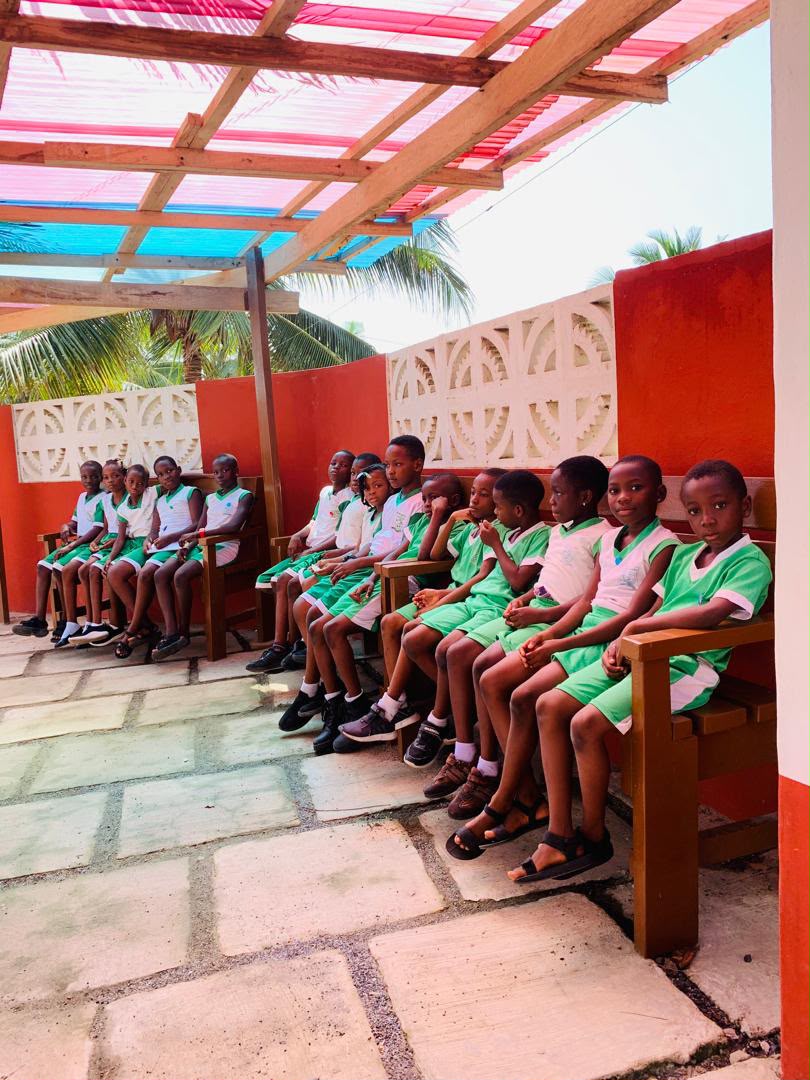
Volta Region tours
Guided Volta Region tours are the easiest way to reach the coastal heritage sites, Hedzranawo and Fort Prinzenstein with a local guide. Entrance fees are included in the tour price; tips are not included but always welcome.
If you are of the African diaspora
Many people of African descent in the Americas, the Caribbean and Europe trace their ancestry to the Slave Coast, the stretch of shore from the Volta eastwards to Lagos. Hedzranawo is one of the very few places on that coast in Ghana where you can stand in a dungeon and a slave market that are still in their original setting, in a living community.
- Visit, as part of your journey home, not only to Cape Coast and Elmina but to the east as well.
- Bring a group: a church, a family reunion, a university trip. Contact the museum ahead.
- Support a specific need, such as a showcase, a sign, a water tank, a guide's training, in direct agreement with the museum.
- Connect the museum with institutions, foundations and media in your own country.
If you are a researcher, teacher or student
The history of the slave trade east of the Volta is still far less studied than that of the western coast. Much of it survives only in oral tradition and in the ground. There is work to be done.
- Research and excavation continue under the Coastal Volta Enslaved Route Project, based at the Department of Archaeology and Heritage Studies of the University of Ghana.
- Oral history from the elders of Hedzranawo, Adzido and Adafienu needs to be recorded while those who remember are still alive.
- Archives in Denmark, Britain, Brazil and elsewhere may hold records of the trade on this coast that have never been connected to these sites.
- Teachers can bring classes, and use the museum as a starting point for lessons on the transatlantic slave trade.
If you are an institution or an investor
In May 2025 Torgbui Sape Agbo V offered a large parcel of land to investors willing to build tourism facilities near the museum. Visitors to the Volta coast need places to stay, eat and rest. Hedzranawo has the history; it lacks the infrastructure.
Museums, universities, foundations and cultural bodies that would like to work with Hedzranawo, on exhibitions, conservation, training or research, are invited to contact the museum directly.
How to give
Contact the museum directly
Hedzranawo Slavery Museum
P.O. Box DE 126, Denu, Volta Region, Ketu South
Phone and WhatsApp: +233 24 196 6105
The museum's own website: hsm2023.com
Please note
GhanaMuseums.com and Ghana-Net.com do not collect money on behalf of the museum, and never will. Any support, financial or practical, should be agreed directly with the museum. If anyone asks you to send money "for Hedzranawo" through another channel, please check with the museum first.
Read more
- How the museum began · Voices and visits · Visiting the museum
- Hedzranawo Slavery Museum: Visited, Praised, Forgotten — our field report
- Institutional funding vs digital decay — our white paper on how Africa's heritage sites are launched and abandoned
- Entrance fees at Ghana's forts, castles and museums
- The Danish Gold Coast, 1658–1850 · Fort Prinzenstein, Keta
- Ghana without filters — a realistic guide for the diaspora
Updated and fact-checked: 18 October 2026. Sources: Remo Kurka, "Hedzranawo Slavery Museum: Visited, Praised, Forgotten", GhanaMuseums.com, 2026; Ghana News Agency reports of August 2023, December 2023 and March 2024; information from the Hedzranawo Slavery Museum. Photographs courtesy of the Hedzranawo Slavery Museum. An independent heritage project by Ghana-Net.com and GhanaMuseums.com.