Hedzranawo Slave Museum · History
Hedzranawo and the Slave Trade on Ghana's Eastern Coast
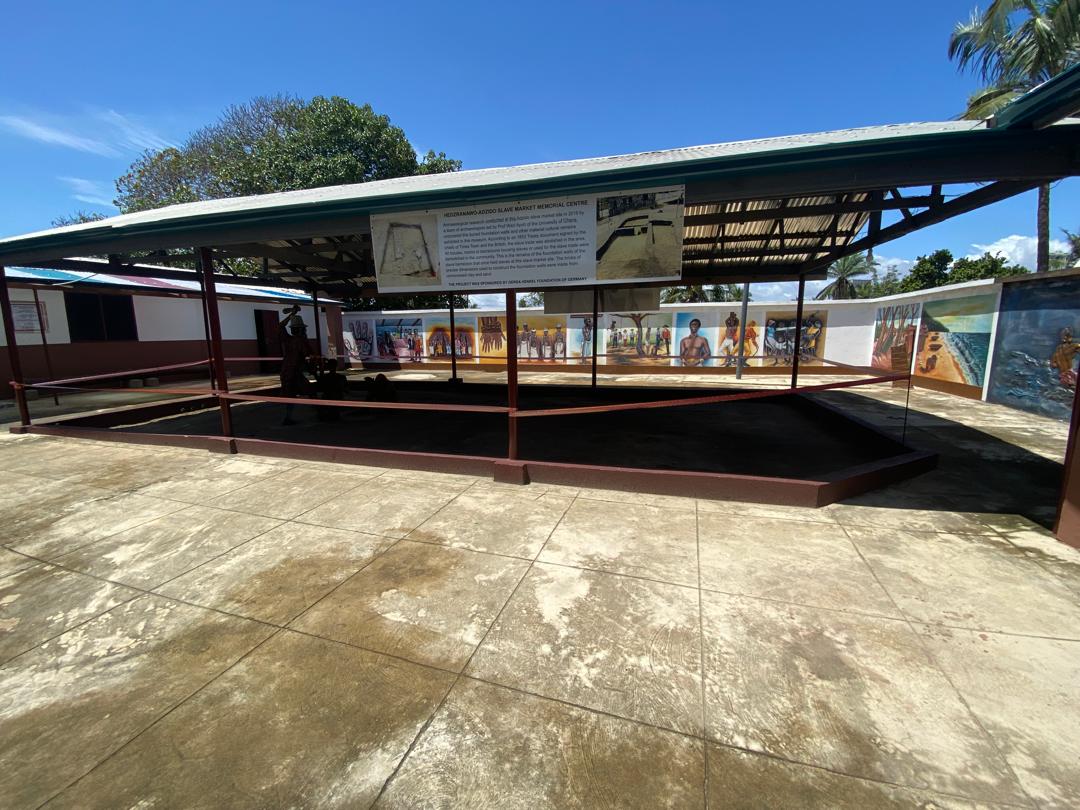
Most visitors to Ghana learn the history of the slave trade at Cape Coast and Elmina, in the great stone castles of the western coast. But the trade did not stop at the Volta. East of the river lay the stretch of shore that Europeans themselves called the Slave Coast. Here, in small towns like Hedzranawo, it went on in markets, holding rooms and dungeons, long after it had been outlawed.
The Slave Coast east of the Volta
European traders divided the West African shore by what they took from it: the Grain Coast, the Ivory Coast, the Gold Coast. The coast from the mouth of the Volta eastwards, through today's Togo and Benin to Lagos, they named after its main export: people.
The Ghanaian part of that coast, from the Volta estuary through Keta and Anloga to Aflao on today's border with Togo, is Ewe country: the lands of the Anlo and of neighbouring states such as Somé, to which Hedzranawo belongs. Here there were no great castles like Elmina. The trade ran through smaller forts and lodges, through African markets and middlemen, along the lagoons and down the beaches to waiting ships.
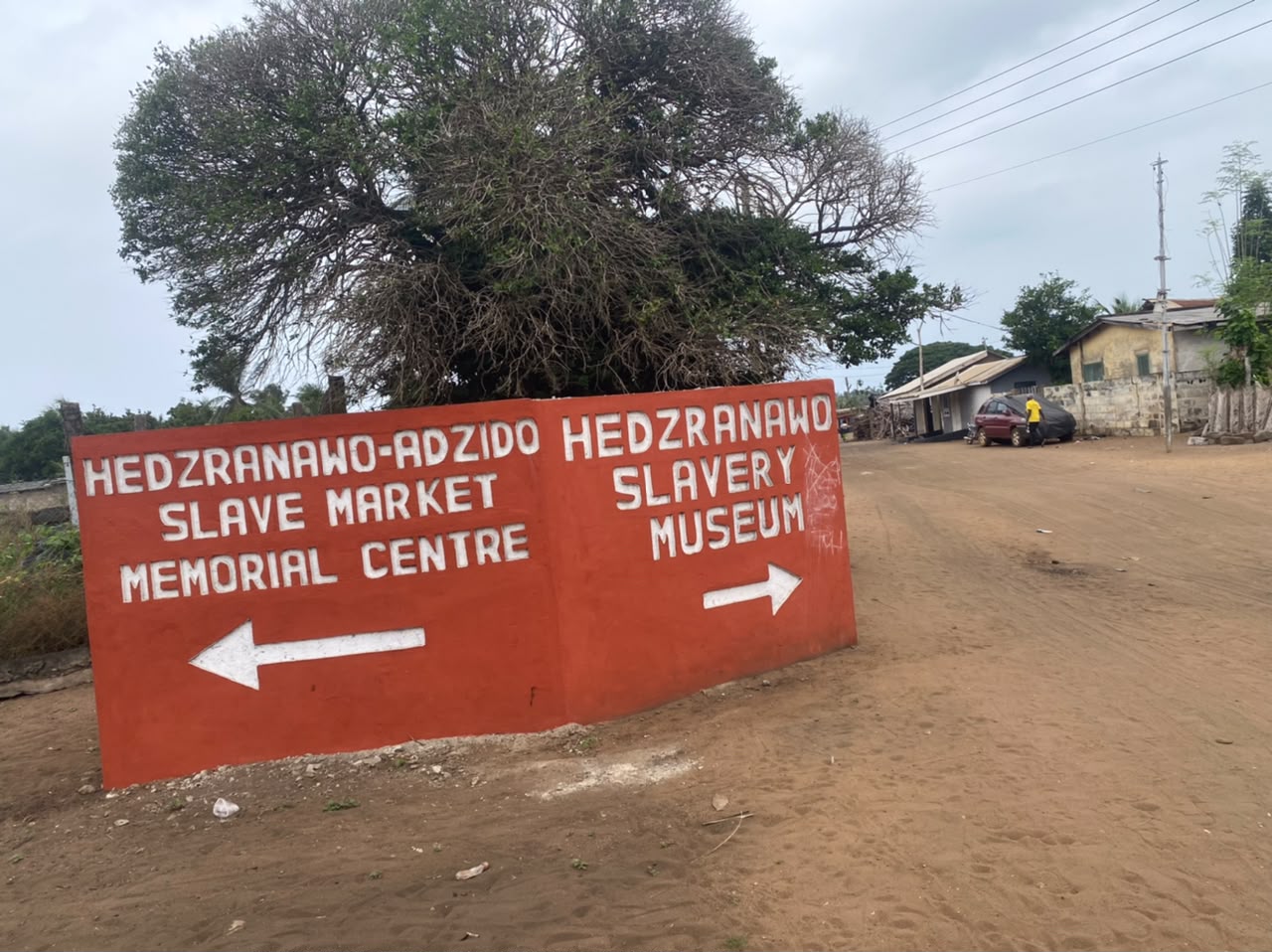
The Danes at Keta
The European power on this coast was Denmark. From its headquarters at Christiansborg in Accra, it extended its reach eastwards in the late eighteenth century, and in 1784 built Fort Prinzenstein at Keta, a few kilometres along the coast from Hedzranawo. Danish and Danish-African traders, lodges and outposts tied the towns of the area into the Atlantic trade.
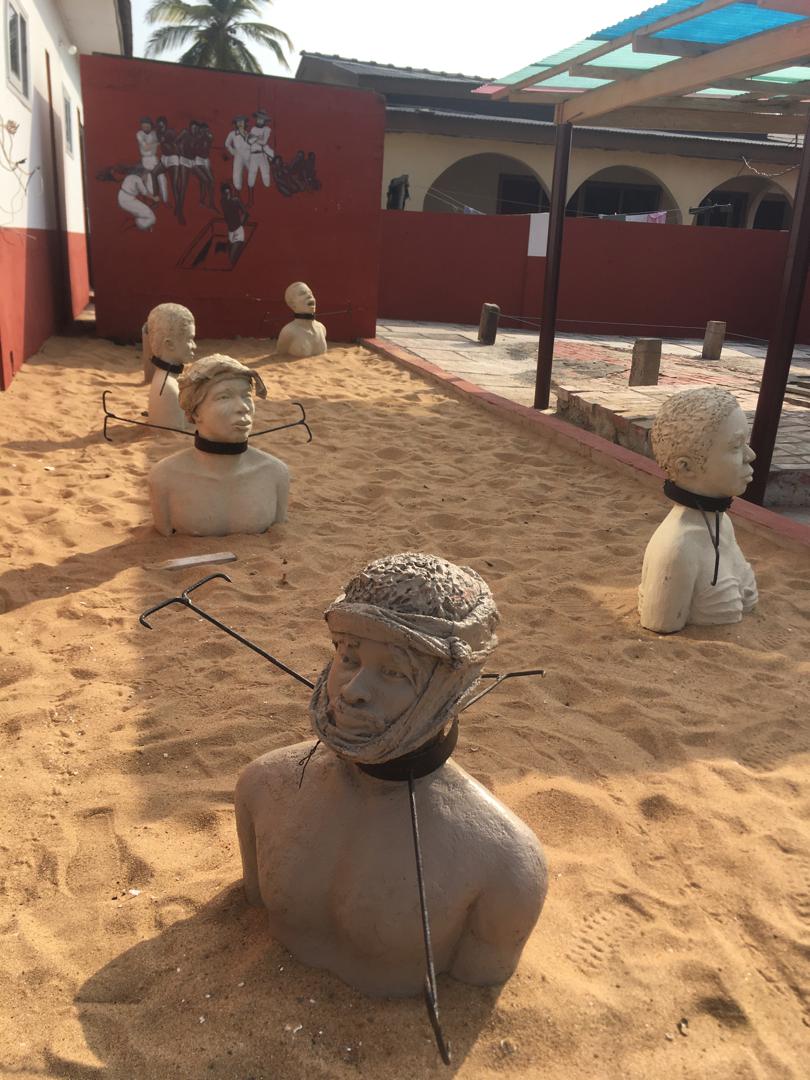
The building that now houses the Hedzranawo museum is remembered locally as part of that world: a European slave post, with a dungeon beneath it where captives could be held out of sight.
The first ban, and why it did not end the trade
In 1792 Denmark became the first European state to decide to outlaw its slave trade, with the ban taking effect in 1803. On paper, the Danish trade ended. On the ground, demand from Brazil and Cuba continued, and the coast east of the Volta, with its lagoons, creeks and open beaches far from any warship, became one of the places where the trade simply went underground.
After abolition: the trade goes on
Britain banned its slave trade in 1807 and sent naval squadrons to patrol the coast. But the patrols could not be everywhere. Well into the nineteenth century, ships continued to load captives along the Slave Coast, often with the help of local dealers, and further east, in today's Togo, Benin and Nigeria, of Brazilian and Afro-Brazilian traders who had settled there, the best known among them Francisco Félix de Souza at Ouidah. The Tabom, the Brazilian returnees who settled in Accra in 1836, are a different story: they are remembered as craftsmen and builders, not as traders in people. In 1850 Denmark sold its forts to Britain, and Keta passed under British control.
Read more: The Agudás: freed slaves who came home from Brazil, and some who traded in people (BeninVibes.com) · Brazil House and the Tabom: the returnees of Jamestown (Ghana-Net.com)
It is in this long, illegal afterlife of the trade that places like Hedzranawo matter. The holding rooms and markets of the small coastal towns were exactly what an illicit trade needed: places to hold people quietly until a ship appeared on the horizon.
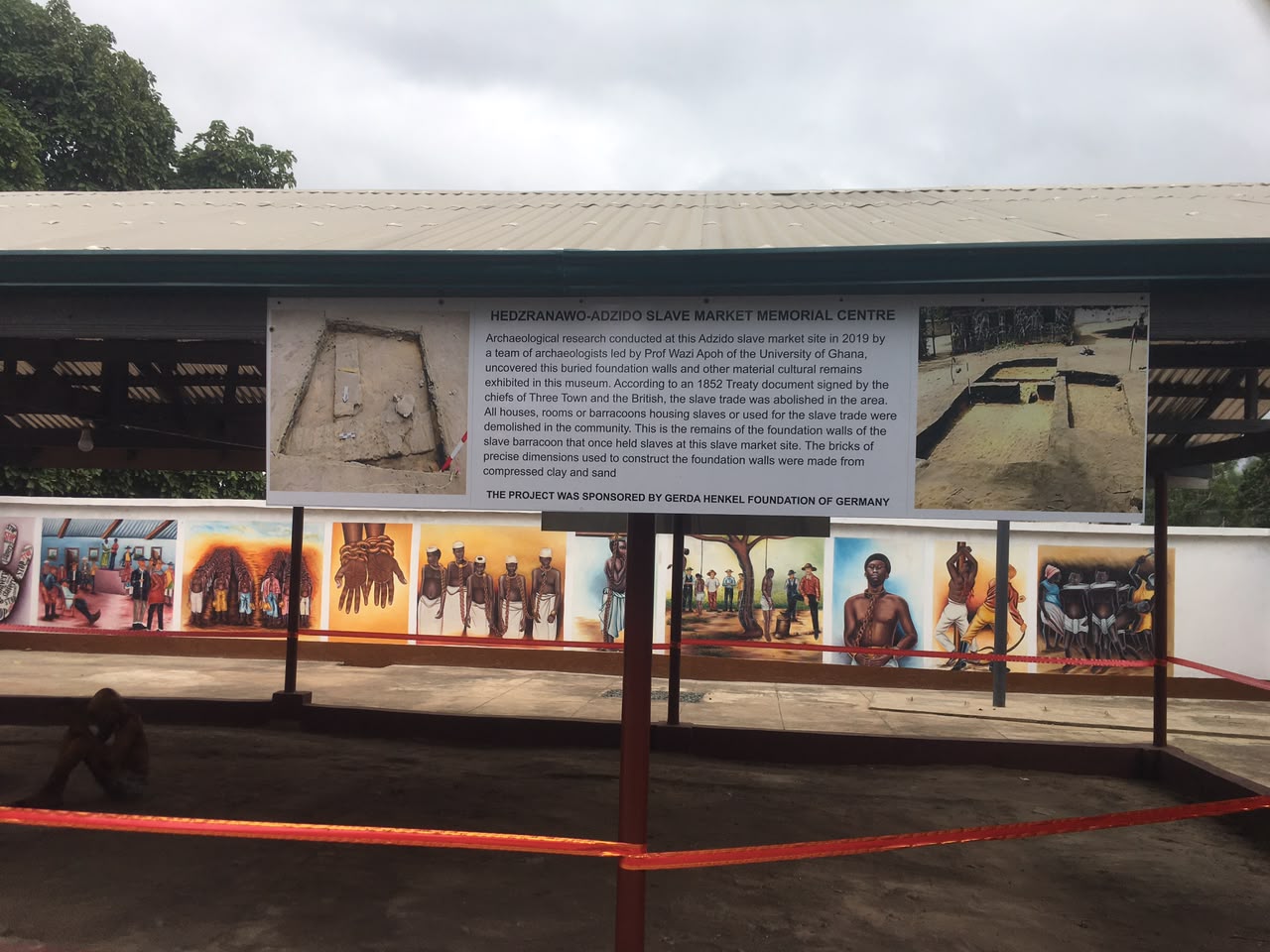
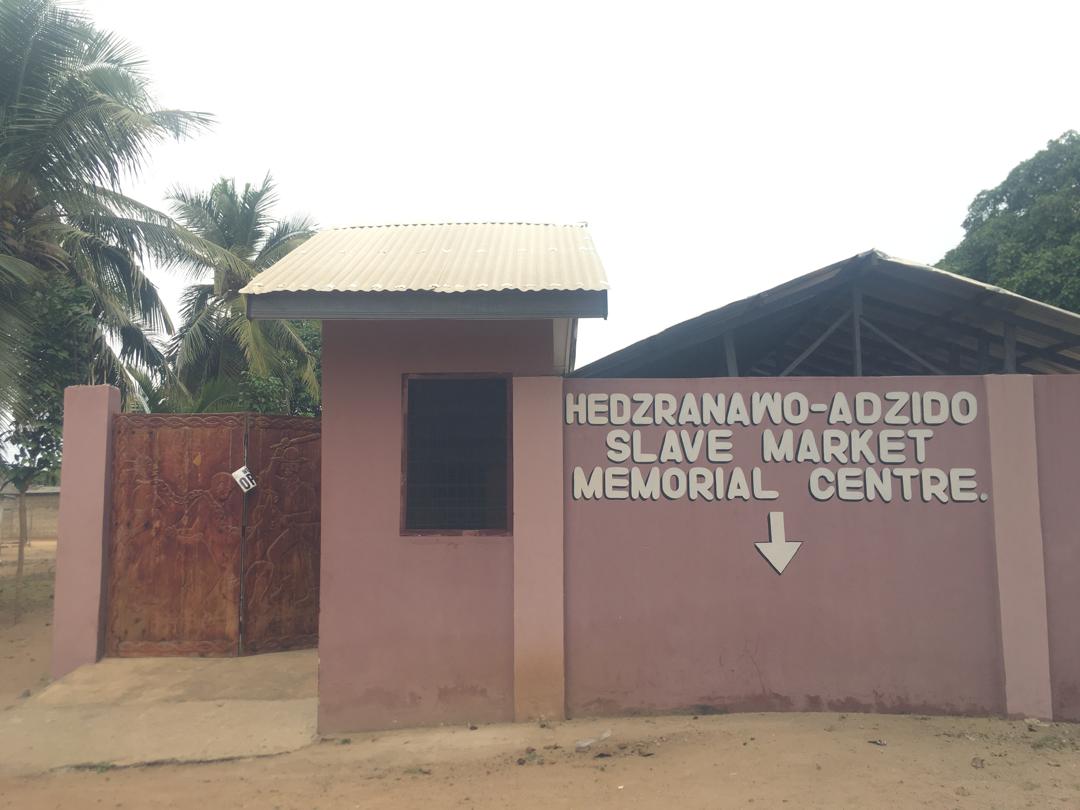
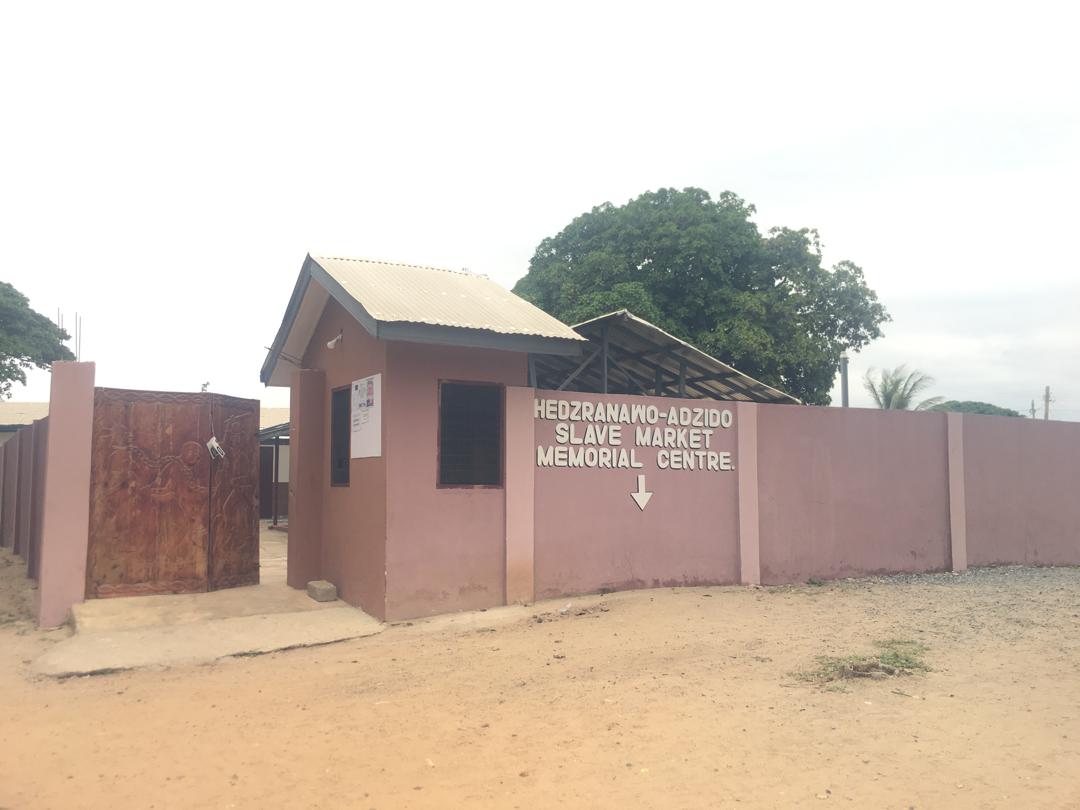
The Hedzranawo-Adzido slave market
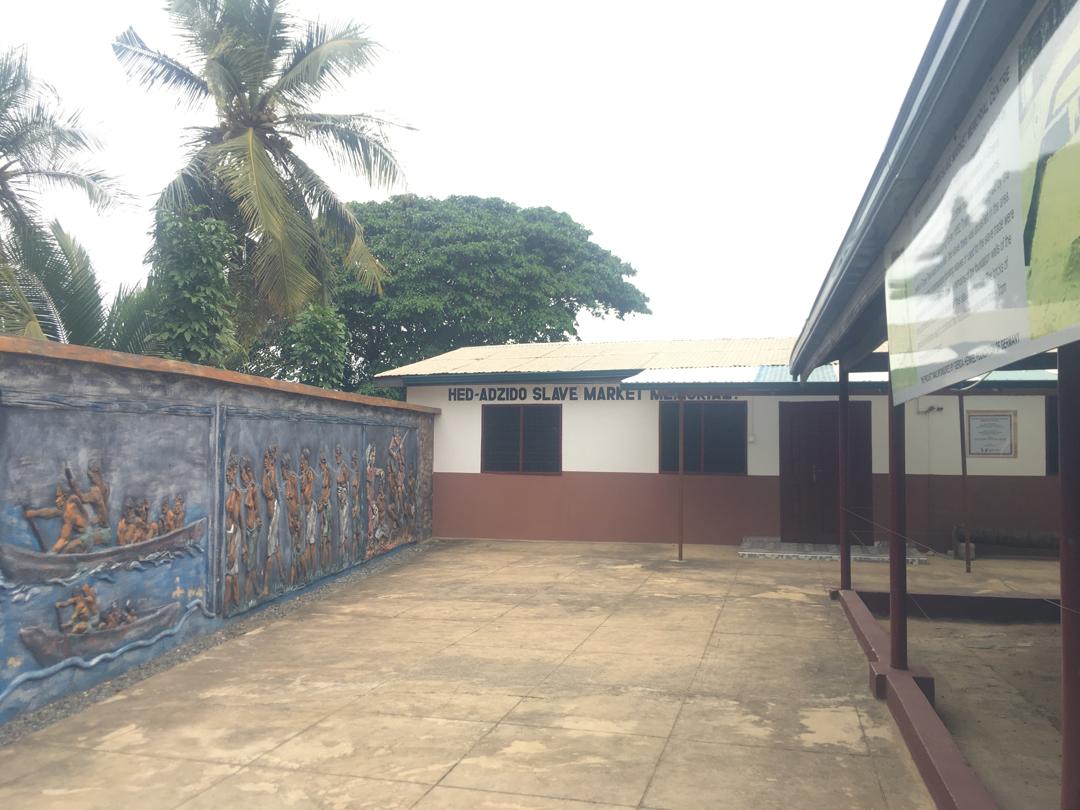
A short way from the museum lies the site of the old slave market of Hedzranawo and Adzido. The research team documented it in 2018 as one of the area's key slavery sites. Today it is being developed as the Hedzranawo-Adzido Slave Market Memorial Centre, one of the three sites of the Coastal Volta Enslaved Route Project.
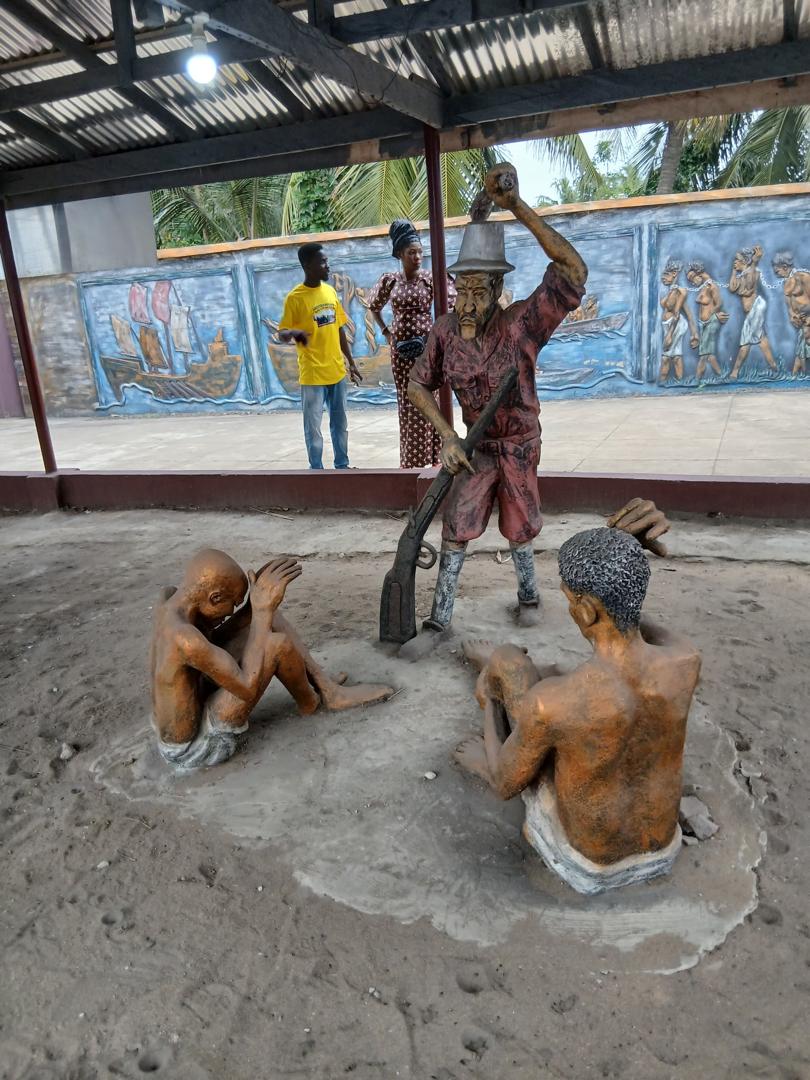
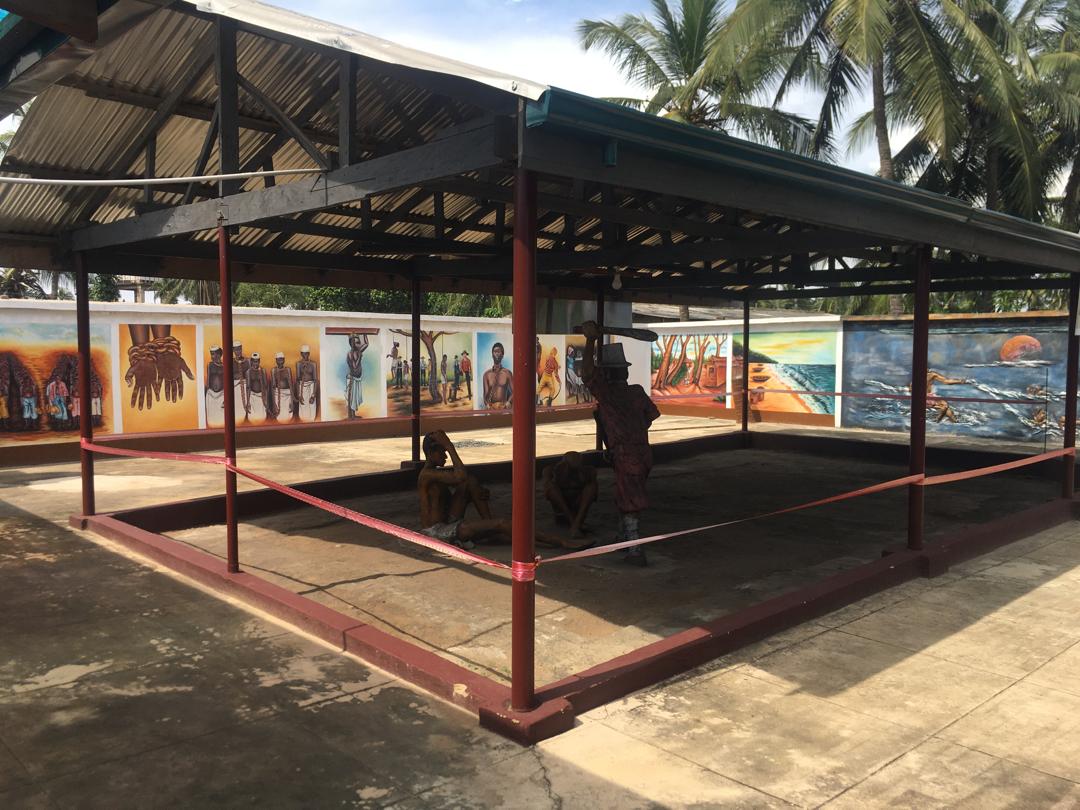
At its heart is an old foundation. Beneath the statues that now stand over it are two rooms of a barracoon, the holding pens in which captives were kept before they were sold. Local tradition holds that people brought here came not only from the surrounding communities but from as far away as today's Togo, Benin and Nigeria.
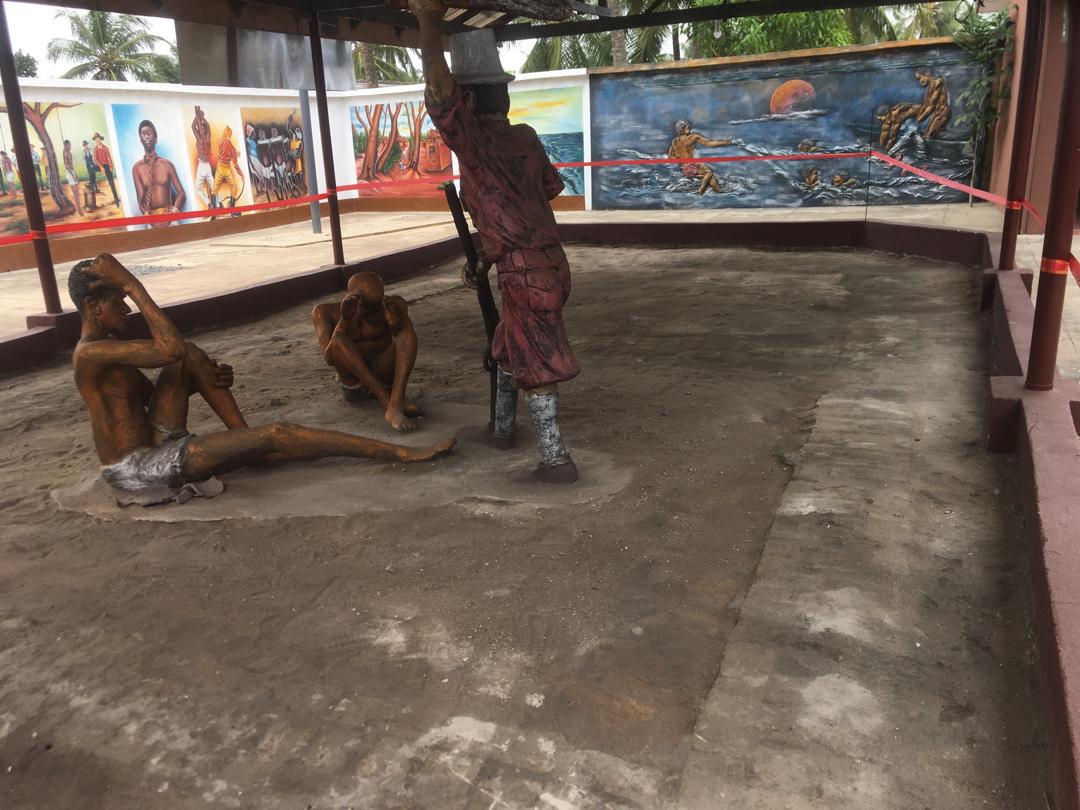
Three towns, one history
Hedzranawo
The old slave post with its dungeon, now the museum. Founded, local tradition says, by Sape Agbo.
Adzido
The slave market and its barracoon, now a memorial centre.
Adafienu
The palace slavery museum, the third site of the project, still under development.
The wider project is researching slavery sites along the whole eastern coast, from Aflao to the Anloga area, including the old slave market at Atorkor and the Danish fort at Keta.
Memory today: telling the whole story
The history of the Slave Coast is uncomfortable for everyone. European companies and states drove the trade and took the profits. African rulers, traders and middlemen on this coast took part in it too, and some communities suffered raids by their neighbours. A museum that tells this honestly does not hand out easy roles of villain and victim. It shows how a whole region was drawn into a system that turned people into goods.
That is what Hedzranawo does: in the place itself, with objects from its own soil, and with the memory of the people whose ancestors lived through it. For the school children who come here, the dungeon is not a story from a textbook. It is a hot, narrow hole in the ground, a few kilometres from their homes.
See the dungeon and the exhibits
Volta Region tours
Guided Volta Region tours are the easiest way to reach the coastal heritage sites, Hedzranawo and Fort Prinzenstein with a local guide. Entrance fees are included in the tour price; tips are not included but always welcome.
The slave trade across the Ghana-Net network
- The Danish Gold Coast, 1658–1850 — Christiansborg, Keta and the eastern forts
- Fort Prinzenstein, Keta · the dedicated Fort Prinzenstein site
- The Agudás of Ouidah — freed returnees from Brazil, and some who traded in people (BeninVibes.com)
- Brazil House and the Tabom — the returnees of Jamestown, Accra
- Osu Castle (Christiansborg) · the mass grave beneath its courtyard
- Richters Fort — a slave compound built after Denmark's ban
- The transatlantic slave trade: European greed, African power
- Appolonia: the kingdom that largely said no
- Who sold whom: Ghana's slave history without the marketing
- The inland slave routes of Ghana — Pikworo, Salaga and the roads to the coast
- Hogbetsotso — the Anlo Ewe festival of escape
- Forts and Castles of Ghana
Updated and fact-checked: 18 October 2026. Sources: Ghana News Agency reports of August 2023, December 2023 and March 2024; Mark Seyram Amenyo-Xa, "University of Ghana, Phase 1 of the Antislavery Knowledge Network", University of Liverpool, 2018; information from the Hedzranawo Slavery Museum. Statements based on local tradition are marked as such. Photographs courtesy of the Hedzranawo Slavery Museum. An independent heritage project by Ghana-Net.com and GhanaMuseums.com.